
Why Do Remodeling Estimates Vary So Much? What Atlanta Homeowners Should Know

The lowest remodeling estimate isn't always the lowest final cost. Here's what to consider before choosing a contractor based on price.
If you're planning a bathroom renovation, kitchen remodel, or home addition in Atlanta, you may be surprised by how much contractor estimates vary.
One contractor might quote $18,000 while another estimates $28,000 for what appears to be the same project, and both promise attractive finishes and quality workmanship.
The difference often goes beyond materials and labor. It can include project management, licensed trades, permits and inspections, construction methods, protection of your home, and who takes responsibility when unexpected conditions arise.
At Blue Juniper Construction, we believe homeowners deserve to understand these differences before making a significant investment.
1. You're Paying for More Than the Construction Work
A remodeling project involves much more than installing tile, cabinetry, plumbing fixtures, or drywall.
Someone has to coordinate schedules, order materials, manage subcontractors and inspections, resolve issues on site, and keep you informed. Without a clear management process, some of those responsibilities can fall on the homeowner.
Our process includes:
Planning and developing the project scope
Preparing or coordinating necessary drawings
Managing permit submissions and inspections
Coordinating licensed trades and other subcontractors
Scheduling materials and construction activities
Communicating project progress and decisions
Managing changes and addressing unforeseen conditions
We also provide a client portal, where homeowners can follow project information, review updates, and stay connected throughout construction.
This coordination takes time and resources, but it helps keep you from becoming the manager of your own renovation.
The value isn't only in completing the construction. It's in managing the entire experience.
2. Licensed Electricians and Plumbers Can Make a Significant Difference
When comparing estimates, ask whether the contractor uses properly licensed plumbing and electrical professionals.
Georgia regulates electrical and plumbing contracting, and work requiring those credentials should be performed by appropriately licensed professionals.
This matters because a renovation can trigger code requirements homeowners don't anticipate.
An Example: Smoke and Carbon Monoxide Alarms
A homeowner renovating a bathroom may expect the electrical work to involve only outlets, lighting, switches, and an exhaust fan.
However, depending on the scope of the renovation and applicable building codes, the project may also require smoke alarm upgrades in bedrooms, hallways, or other areas of the home. Carbon monoxide alarm requirements may also apply.
These requirements can involve installing interconnected alarms that alert occupants throughout the home when an alarm activates.
These are expenses homeowners may not anticipate when planning their renovation, but they can be important safety improvements that should be considered when comparing contractor estimates.
If one estimate includes evaluating and addressing these requirements and another doesn't, the two proposals may not cover the same scope of work.
Ask who will perform the electrical and plumbing work, which permits are needed, and whether code-related upgrades have been considered.
The difference in price may reflect work that contributes to your home's safety, not simply a higher labor rate.
3. Permits and Inspections Protect Your Investment
Permits are sometimes viewed as an added expense or an inconvenience.
But permitting and inspections serve an important purpose: helping verify that construction complies with applicable requirements.
Depending on the location and scope, a renovation may need building, electrical, plumbing, or mechanical permits.
At Blue Juniper Construction, we coordinate permit submissions, communicate with building departments, and schedule required inspections.
That work can include reviewing drawings, coordinating subcontractors, addressing inspection comments, and adjusting schedules.
You won't see this work in the finished renovation, but it's an important part of completing a project responsibly.
What About Unpermitted Remodeling?
Unpermitted work can create complications years later.
When you sell your home, buyers may ask whether additions, renovations, or structural changes were properly permitted. Differences between a home's current configuration and its available records can raise questions during the transaction.
For example, a property might be advertised with a finished basement bedroom that doesn't appear in available building permit records.
A buyer's agent, inspector, or lender may question that discrepancy, and the seller may need to provide documentation, arrange inspections, or address deficiencies before closing.
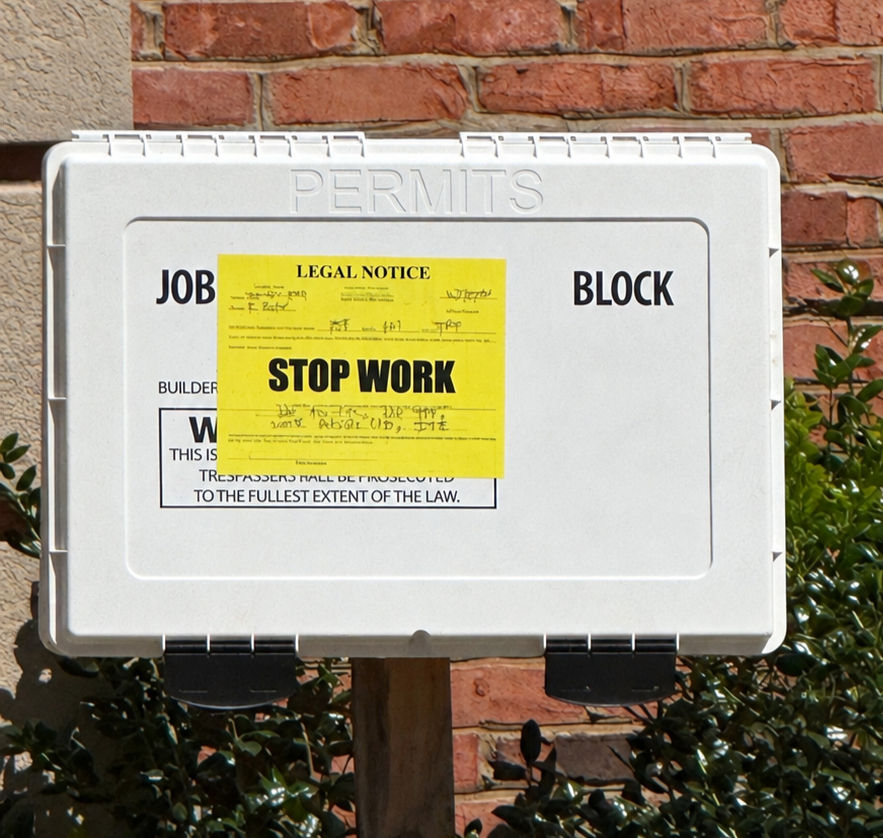
Unpermitted improvements can also become subject to enforcement action, including stop-work orders, depending on the circumstances.
A lower price today isn't necessarily a savings if construction requirements must be addressed later.
Proper permitting and documentation help protect your investment, both during the renovation and when it's time to sell.
4. Experience Means Knowing When Not to Proceed
One of a professional contractor's most valuable responsibilities is recognizing problems before they become expensive mistakes.
On one bathroom renovation, the homeowner wanted a linear shower drain positioned along the rear wall of the shower.
It was an attractive design choice, but evaluating the proposed location revealed a structural concern.
Installing the drain in that location would have required drilling through a structural beam, potentially compromising its integrity.
Rather than proceeding and concealing the modification beneath the finished shower, we evaluated the conditions, reviewed alternatives, and proposed a different solution.
We selected a tile-in shower drain grate, which incorporates the shower floor tile into the drain cover. This provided a clean, modern appearance that complemented the overall shower design without requiring us to compromise the structural beam.
The homeowner still received a contemporary shower design, while the structural integrity of the home was preserved.
This is an important distinction when evaluating contractors.
A contractor's job isn't only to perform the work requested. It's also to understand how that work affects the existing structure and recognize when a different approach is needed.
Sometimes the most important work a contractor performs is preventing a problem the homeowner never knew existed.
5. Quality Construction Includes What You Can't See
A newly renovated bathroom can look beautiful on completion day, but the tile doesn't tell you whether the shower was built correctly underneath.
The waterproofing system is one of the most important parts of any shower.
Our shower construction process includes waterproofing and a 24-hour flood test to evaluate the shower receptor for leaks before tile, grout, and glass are installed.
Testing at this stage provides an opportunity to identify potential problems while they're still accessible for correction.
Other important details are also hidden behind finished surfaces, including plumbing connections, electrical wiring, framing, and substrate preparation.
Two bathrooms can look alike on completion day even though the work underneath differs.
Ask contractors to explain how these systems will be installed and tested.
Long-term performance matters just as much as the finished appearance.
6. Protecting Your Home During Renovation Is Part of the Job
Construction affects more than the room being renovated.
Demolition creates dust and debris, workers move materials through the home, and occupied spaces need protection throughout the project.
We build jobsite protection into our process, including using air scrubbers during demolition to help manage airborne particles.
Older homes may need additional precautions.
Many Atlanta-area houses were built before 1978, when lead-based paint was common. Renovation that disturbs lead-containing painted surfaces can create hazardous dust.
Blue Juniper Construction maintains lead-safe renovation credentials and follows applicable Renovation, Repair and Painting (RRP) requirements, including containment, cleaning, and cleaning-verification procedures for covered work in pre-1978 homes.
These precautions take planning, equipment, training, and labor.
They may not appear in a finished project photograph, but they matter when comparing proposals.
A successful renovation should consider not only the finished space but also how your home is protected throughout construction.
7. Why the Lowest Estimate May Not Be the Lowest Cost
Consider two hypothetical bathroom remodeling estimates.
Both may appear to cover the same renovation, but a closer review reveals important differences in what is included, excluded, or not clearly defined.
What's Included | Estimate A: $18,000 | Estimate B: $28,000 |
Demolition and tile installation | Included | Included |
Licensed electrical and plumbing work | Not specified | Included |
Permit and inspection coordination | Excluded | Included |
Shower waterproofing and flood testing | Not specified | Included |
Dust management and home protection | Not specified | Included |
Project management and client communication | Not specified | Included |
Final cleanup and punch list | Not specified | Included |
This comparison is illustrative, not a representation of actual contractor bids. "Excluded" means the homeowner would handle or pay for that work separately. "Not specified" means the estimate requires clarification.
At first glance, Estimate A appears to save the homeowner $10,000.
But the two estimates don't clearly include the same services.
The difference may cover additional construction work, professional oversight, required permits, or responsibility for coordinating the project.
Before choosing either contractor, ask:
What would it cost to bring both proposals to the same scope of work?
It's also possible that a qualified contractor can offer a lower price through efficient operations, different material selections, or a more limited scope.
A higher price doesn't automatically mean better work, just as a lower price doesn't automatically mean poor work.
The real question is whether each estimate fully explains the work being performed and the responsibilities being assumed.
The best remodeling value isn't necessarily the lowest initial price. It's the combination of quality construction, responsible project management, clear communication, and long-term performance.
Frequently Asked Questions About Hiring a Remodeling Contractor
Does hiring a licensed contractor guarantee better workmanship?
No. Licensing establishes certain professional qualifications and regulatory accountability, but it doesn't guarantee perfect workmanship.
Homeowners should also evaluate experience, references, communication, construction methods, and how the contractor manages the project.
A properly licensed contractor who communicates clearly, documents the work, and accepts responsibility for the project can provide meaningful value beyond the construction itself.
Why can a permitted bathroom renovation cost more?
Permitted renovations may involve plans, permit fees, licensed trades, inspections, scheduling coordination, and additional work to meet applicable code requirements.
The exact requirements depend on the municipality, the existing home, and the scope of construction.
Ask whether these responsibilities are included in the proposal or priced separately.
Can unpermitted remodeling cause problems when selling a house?
Yes, depending on the nature of the work.
Unpermitted improvements can raise concerns during buyer due diligence, inspections, financing, or review of property records.
Resolving these issues may require documentation, inspections, professional evaluations, or corrective work.
Keeping permit and inspection records helps homeowners demonstrate how improvements were performed.
Homeowner's Checklist: Are You Comparing Remodeling Contractors Fairly?
Before choosing a contractor, use this checklist to confirm that competing proposals include the same services, responsibilities, and protections.
Contractor Qualifications
Is the contractor properly licensed in Georgia for the proposed work?
Have you verified the contractor's license through the Georgia Secretary of State's license lookup and requested a current certificate of insurance?
Will licensed electricians and plumbers perform work requiring those credentials?
Does the contractor provide a written scope of work, allowances, exclusions, and payment terms?
Permits, Inspections, and Safety
Will the contractor determine which permits are required?
Are permit submissions, fees, and inspections included or clearly identified?
Who is responsible for scheduling inspections and addressing corrections?
Have applicable smoke alarm, carbon monoxide alarm, and other code requirements been considered?
Construction Methods and Home Protection
Does the contractor explain the proposed shower waterproofing system and testing procedures, if applicable?
Will structural conditions be evaluated before making modifications?
Are dust containment, air filtration, and protection of occupied areas addressed?
For pre-1978 homes, does the contractor hold applicable lead-safe renovation certifications and follow required work practices?
Project Management and Communication
Will you have one primary point of contact throughout the project?
Does the contractor coordinate subcontractors, materials, and inspections?
Will you receive project updates and have access to organized project information?
Are change orders documented and approved before additional work proceeds?
How will unexpected conditions be evaluated, priced, communicated, and approved?
Completion and Long-Term Value
Does the proposal address final cleanup and punch-list completion?
Who is responsible for applicable final inspections?
Will relevant project documentation and warranty information be provided?
Have you compared everything included in each proposal, not only the final prices?
Planning a Remodeling Project in Metro Atlanta?
A remodeling project is more than a financial investment. It's your home, your daily routine, and a significant commitment of time and resources.
At Blue Juniper Construction, our goal is to make the experience more manageable through thoughtful planning, consistent communication, coordinated construction, appropriate permitting and inspections, and attention to the details that matter long after the project is finished.
Before choosing a contractor, make sure you understand what your renovation involves and what should be included in a complete proposal.
We believe informed homeowners make better decisions.
Whether you're considering a bathroom renovation, kitchen remodel, or home addition, we'd welcome the opportunity to learn about your project, discuss your goals, and explain our remodeling process.
Schedule a Discovery Call or call 404-594-4469.
Blue Juniper Construction, LLC Georgia Licensed Residential-Light Commercial Contractor Serving Atlanta, Decatur, and surrounding Metro Atlanta communities
About the Author
Richard Williams is a principal of Blue Juniper Construction, a Georgia-licensed Residential-Light Commercial contracting company serving Metro Atlanta.
His work includes residential remodeling, construction planning, permit coordination, project management, and resolving complex construction conditions in existing homes.
His approach emphasizes homeowner communication, practical problem-solving, and managing the many details involved in a successful remodeling project.


Comments